

Welcoming a German Shepherd into your family life is like opening the door to a world of loyalty, intelligence, and unwavering companionship. These magnificent dogs, with their alert ears and soulful eyes, have captured the hearts of dog lovers around the globe. But make no mistake – bringing a German Shepherd home is not just about gaining a pet; it’s about embracing a new family member who will challenge you, inspire you, and fill your days with both joy and responsibility.
Let’s start at the beginning, shall we? The German Shepherd breed has a rich history that dates back to 1899. Picture this: a German cavalry officer named Max von Stephanitz, standing in a dog show, spots a wolf-like dog named Hektor Linksrhein. Impressed by the dog’s intelligence and strength, von Stephanitz purchases Hektor on the spot, renames him Horand von Grafrath, and just like that, the German Shepherd breed is born. It’s a story that speaks to the very essence of these dogs – a perfect blend of beauty, brains, and brawn that continues to captivate us more than a century later.
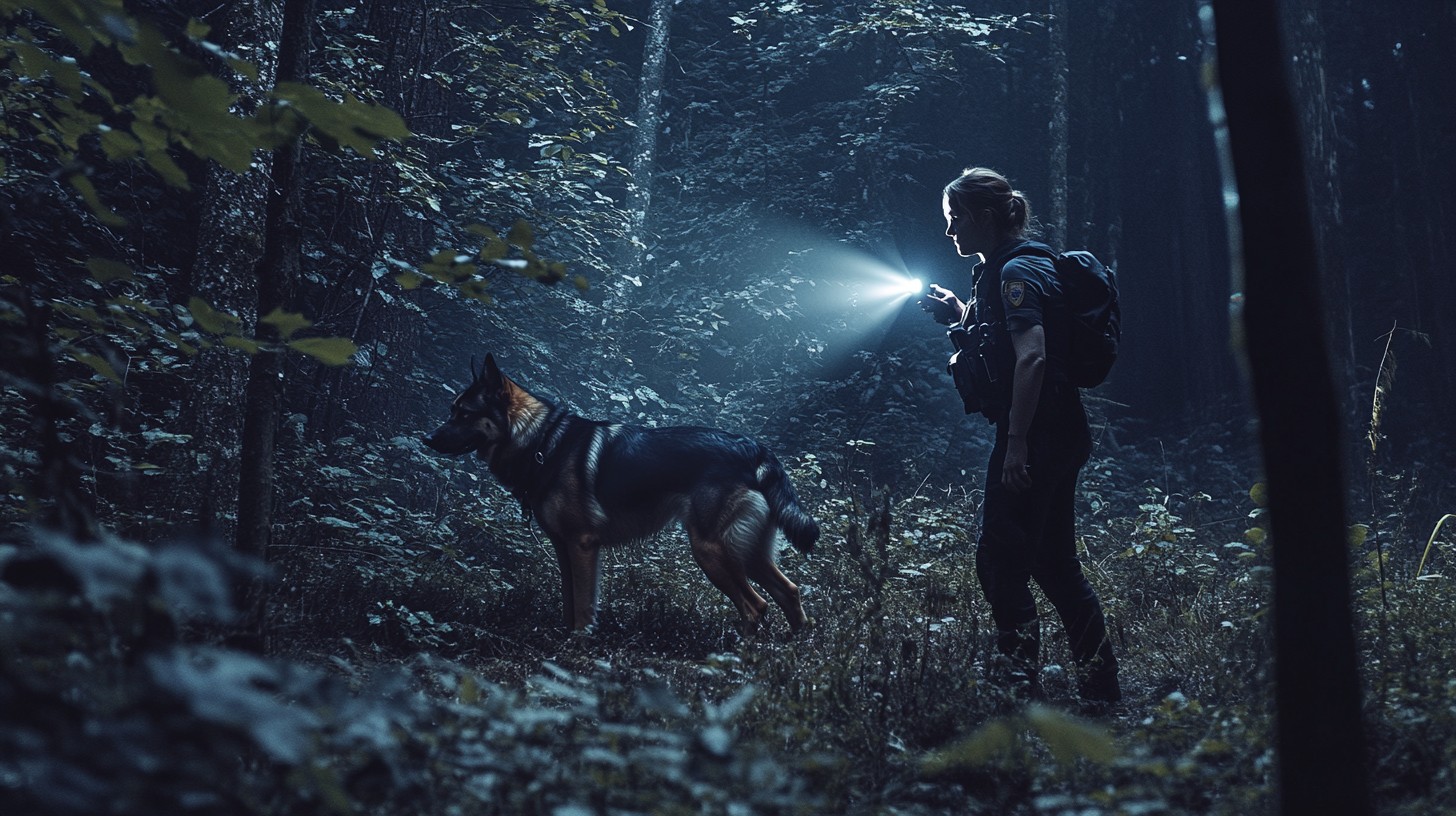
Now, if you have been considering bringing a German Shepherd into your home, you are in for an adventure. These dogs are not just pets; they’re partners. They’ll be your jogging buddy, your child’s protector, and sometimes, let’s be honest, your furniture’s worst enemy (at least during the teething phase). But with the right approach, you’ll find in your German Shepherd a loyal friend who’s always ready for the next challenge or cuddle session.
When it comes to choosing your German Shepherd, think of it like finding a new best friend. You want someone who clicks with your personality and lifestyle. Visit reputable breeders or consider adoption – there are many wonderful German Shepherds in shelters waiting for their forever homes. When you meet potential puppies or adult dogs, look for one that’s curious and confident, not overly shy or aggressive. And here’s a tip: if you can, meet the parents. It’s like meeting your potential dog’s family – it gives you a glimpse into what your pup might be like when they grow up.
Before you bring your new furry family member home, you’ll need to prepare your space. Think of it as baby-proofing, but for a much larger, furrier baby with a penchant for chewing. Remove anything you don’t want to be turned into a chew toy – shoes, remote controls, your favorite novel – and secure loose wires. Create a cozy corner for your German Shepherd with a comfortable bed or crate. This will be their safe haven, their own little piece of your home where they can retreat when they need some downtime.
Now, let’s talk about food. Your German Shepherd’s diet is crucial for their health and happiness. Imagine if you ate nothing but fast food – you wouldn’t feel great, right? The same goes for your dog. Invest in high-quality dog food that’s appropriate for their age and activity level. Puppies need food specifically formulated for growth, while adult dogs have different nutritional needs. And remember, treats are for treating – not for every time those big brown eyes look at you pleadingly. Trust me, those eyes will test your willpower!
Exercise is where German Shepherds really shine. These dogs were bred to work, and they thrive on physical activity. Think of your German Shepherd as that friend who’s always suggesting a hike or a game of frisbee. They need regular exercise to stay healthy and happy – and to prevent them from redecorating your home out of boredom. A tired German Shepherd is a good German Shepherd, as the saying goes. But be mindful with puppies – their joints are still developing, so keep exercise gentle and age-appropriate.
Training your German Shepherd is like teaching a very eager, very furry student. These dogs are incredibly intelligent and love to learn. Start with basic commands like sit, stay, and come, and use positive reinforcement. Treats, praise, and play are your best friends here. Consistency is key – if you don’t want your dog on the couch, make sure everyone in the family enforces this rule. Otherwise, you might find yourself sharing the sofa with a very large, very smug German Shepherd.

It’s also necessary that this dog breed is peroperly socialized which is a crucial for raising a well-adjusted German Shepherd. Think of it as sending your dog to kindergarten – it’s where they learn how to interact with the world. Expose your puppy to different people, animals, and environments. Let them experience the sound of vacuum cleaners, the sight of people in hats, the feeling of different floor surfaces. The more positive experiences they have early on, the more confident and well-behaved they’ll be as adults.
Grooming your German Shepherd is like maintaining a beautiful, living coat. These dogs shed – a lot. Embrace the fur as a new fashion accessory, because it will be on all your clothes. Regular brushing helps manage the shedding and gives you quality bonding time with your dog. It’s also a great opportunity to check for any lumps, bumps, or skin issues. Bathing should be done as needed, but not too often, as it can dry out their skin.
Health-wise, German Shepherds are generally robust dogs, but they can be prone to certain issues. Hip and elbow dysplasia, for example, are concerns in the breed. Regular vet check-ups, a good diet, and appropriate exercise can help keep your dog in top shape. Be observant – you know your dog best, and you’ll be the first to notice if something seems off.
Mental stimulation is just as important as physical exercise for German Shepherds. These dogs are problem-solvers by nature. Puzzle toys, training sessions, and games that challenge their mind will keep them happy and engaged. It’s like giving your dog a crossword puzzle – it keeps their brain sharp and prevents boredom-induced mischief.