

Maine Coon kittens, known for their playful and affectionate nature, can sometimes develop undesirable habits if not properly guided. Their intelligence and curiosity make them quick learners, but also prone to behaviors that may be disruptive in a household setting. One of the most common bad habits is excessive scratching and there are many more too. Maine Coons have strong claws, and if they don’t have appropriate scratching outlets, they might turn to furniture, carpets, or walls.
In order to prevent this, it’s essential to provide sturdy scratching posts and train them to use them consistently. Using deterrent sprays on furniture and trimming their claws regularly can also help mitigate damage. Encouraging proper scratching behavior with positive reinforcement ensures they develop good habits from a young age.
Another common issue is biting and play aggression. Since kittens naturally use their mouths to explore the world, they may bite during play or when seeking attention. This behavior can escalate if they’re allowed to play with hands instead of toys. The best way to discourage excessive biting is by redirecting their attention to chew-friendly toys and stopping playtime immediately if they bite too hard. Socialization plays a crucial role in helping kittens understand boundaries, especially if they grow up with other animals who teach them appropriate play behaviors. Over time, with consistent training and patience, Maine Coon kittens learn to be gentle with their interactions.
Overeating and begging for food can be problematic as Maine Coons are large cats with naturally big appetites. If not regulated, this habit can lead to obesity, which affects their long-term health. Kittens may try to manipulate their owners into giving extra food, but it’s important to establish strict feeding portions and avoid giving excessive treats. Ignoring begging behavior instead of reinforcing it is key to maintaining a healthy diet. Additionally, ensuring they always have access to fresh water can prevent unnecessary food-seeking tendencies. A structured feeding schedule also helps them learn when to expect meals, reducing their habit of constantly demanding food.
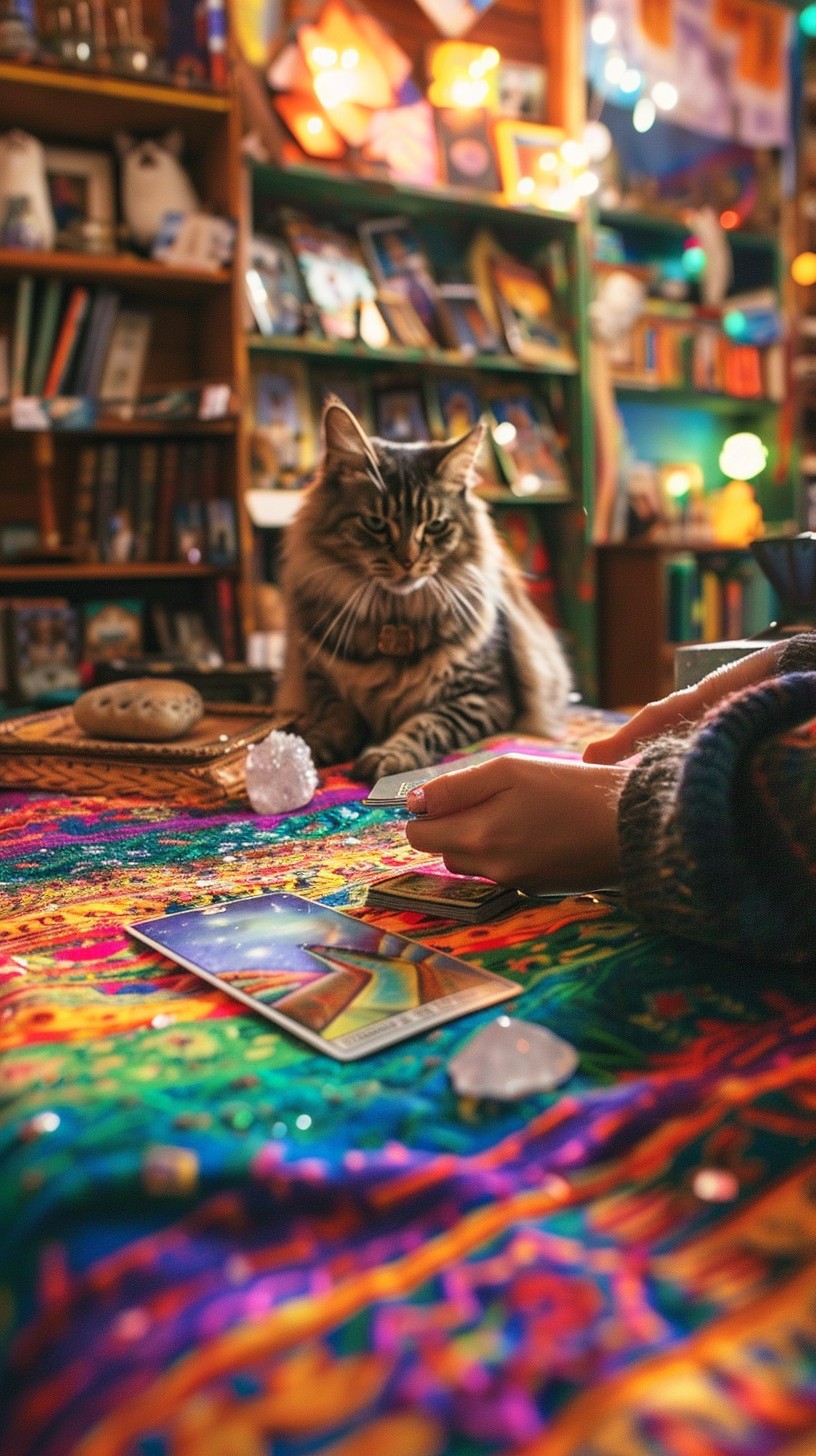
There are several/many Maine coon kittens who also have a mischievous tendency to knock things over. Whether out of curiosity or sheer playfulness, they enjoy pushing objects off shelves and tables. To counter this, it helps to keep fragile items out of reach and provide interactive toys to engage their energy in more constructive ways. Using heavier objects on furniture can also prevent unnecessary messes.
Behavioral training can discourage them from deliberately knocking things over, although it’s worth remembering that some curiosity-driven behavior is a natural part of their personality.
Litter box issues can sometimes arise, especially if a kitten is still learning where to go. They may avoid using the litter box due to cleanliness issues, dislike for certain types of litter, or even underlying medical problems. Keeping the litter box clean, accessible, and using an unscented litter can encourage them to use it properly. If accidents occur, cleaning the affected area thoroughly and reinforcing correct litter box use with rewards can be effective. If the issue persists, consulting a veterinarian can rule out medical concerns that may be influencing their behavior.
Nighttime hyperactivity is another challenge that many Maine Coon owners face. These kittens often have bursts of energy late at night, which can disturb household members trying to sleep. The best approach to managing this is engaging in active play before bedtime, helping them expend excess energy. Establishing a consistent routine for play, sleep, and meals can encourage calmer nighttime behavior. Providing a comfortable sleeping spot away from disruptions also helps them settle down rather than seeking attention at night. Ignoring nighttime antics instead of reacting reinforces the idea that night is for rest, not playtime.
Excessive meowing and attention-seeking can also become an issue. While the Maine Coons are naturally vocal and affectionate, overly demanding behavior can be disruptive. Ensuring their basic needs are met before ignoring excessive meowing is crucial. Rewarding quiet behavior while discouraging constant demands for attention can help manage vocal tendencies. Engaging them in interactive play and mental stimulation also reduces boredom, preventing attention-seeking behavior from escalating. Over time, with patience and consistency, Maine Coon kittens learn to communicate effectively without excessive vocalization.
Raising a Maine Coon kitten requires dedication and a proactive approach to guiding their behavior. Their intelligence and playful nature make them wonderful companions, but establishing boundaries early ensures they grow into well-mannered, affectionate adult cats. With positive reinforcement, consistency, and a nurturing environment, these kittens thrive and develop into loving pets with endearing personalities. Do you have a Maine Coon kitten, or are you thinking of adopting one?