

Raising a koala in 2024-2025 at home has remained a unique and demanding experience that requires a deep understanding of their specific needs and behaviors. This comprehensive guide aims to provide you with detailed insights into every aspect of koala care, from ensuring legal compliance and creating an appropriate habitat, to understanding their diet, correcting behaviors, and maintaining their health. You can also read how to raise a kangaroo at home here. By following these guidelines, you can create a comfortable and enriching environment for your koala, ensuring it thrives in your care while respecting its natural instincts and requirements. Whether you’re a wildlife enthusiast or considering the incredible responsibility of koala care, this guide will equip you with the knowledge and tools needed to succeed.
#1- Legal Considerations
Before you even consider bringing a koala home, it’s crucial to check your local laws and regulations. Koalas are a protected species in many regions, and it might be illegal to keep one as a pet. You may need special permits or licenses, and it is essential to ensure that you can legally provide a safe and appropriate environment for a koala.
#2 – Habitat Setup
Koalas are arboreal animals, spending most of their time in trees. Creating a habitat that mimics their natural environment is essential:
- (i) Enclosure – Construct a large, secure enclosure with plenty of vertical space for climbing. Incorporate eucalyptus branches as the main feature, ensuring they are sturdy and safe.
- (ii) Temperature and Humidity – Maintain an optimal temperature range of 18-24°C (64-75°F) and humidity around 50-70%. Use heaters or humidifiers if necessary to regulate these conditions.
- (iii) Bedding – Use soft, non-toxic bedding materials to provide comfort and warmth. Regularly clean and replace the bedding to maintain hygiene.
#3- Diet
Koalas have a very specialized diet, primarily consisting of eucalyptus leaves:

- Eucalyptus Leaves – Ensure a steady supply of fresh eucalyptus leaves, as koalas are highly selective about the species they eat. It’s essential to source the right types of eucalyptus, as not all varieties are suitable.
- Water – Although koalas get most of their moisture from eucalyptus leaves, always provide fresh water to ensure proper hydration.
- Supplements – Consult with a veterinarian to determine if any dietary supplements are needed. Koalas may require additional nutrients, especially if their diet lacks variety.
#4- Behavior Correction
Koalas can exhibit behaviors that might be challenging in a home environment –
- Chewing – Koalas have a natural instinct to chew, which can be destructive. Provide plenty of chewable toys and eucalyptus branches to redirect this behavior. Regularly monitor their chewing habits to ensure they are not damaging the enclosure or other items.
- Aggression – If your koala shows signs of aggression, consult with a wildlife expert or veterinarian for behavior modification techniques. Understanding the root cause of aggression is crucial for addressing it effectively.
- Socialization – While koalas are generally solitary, they still need social interaction. Spend time with your koala daily to build trust and ensure they feel secure. Gradually introduce them to new people and environments to reduce stress.
#5- Health Care
Regular veterinary check-ups are essential to maintain your koala’s health:
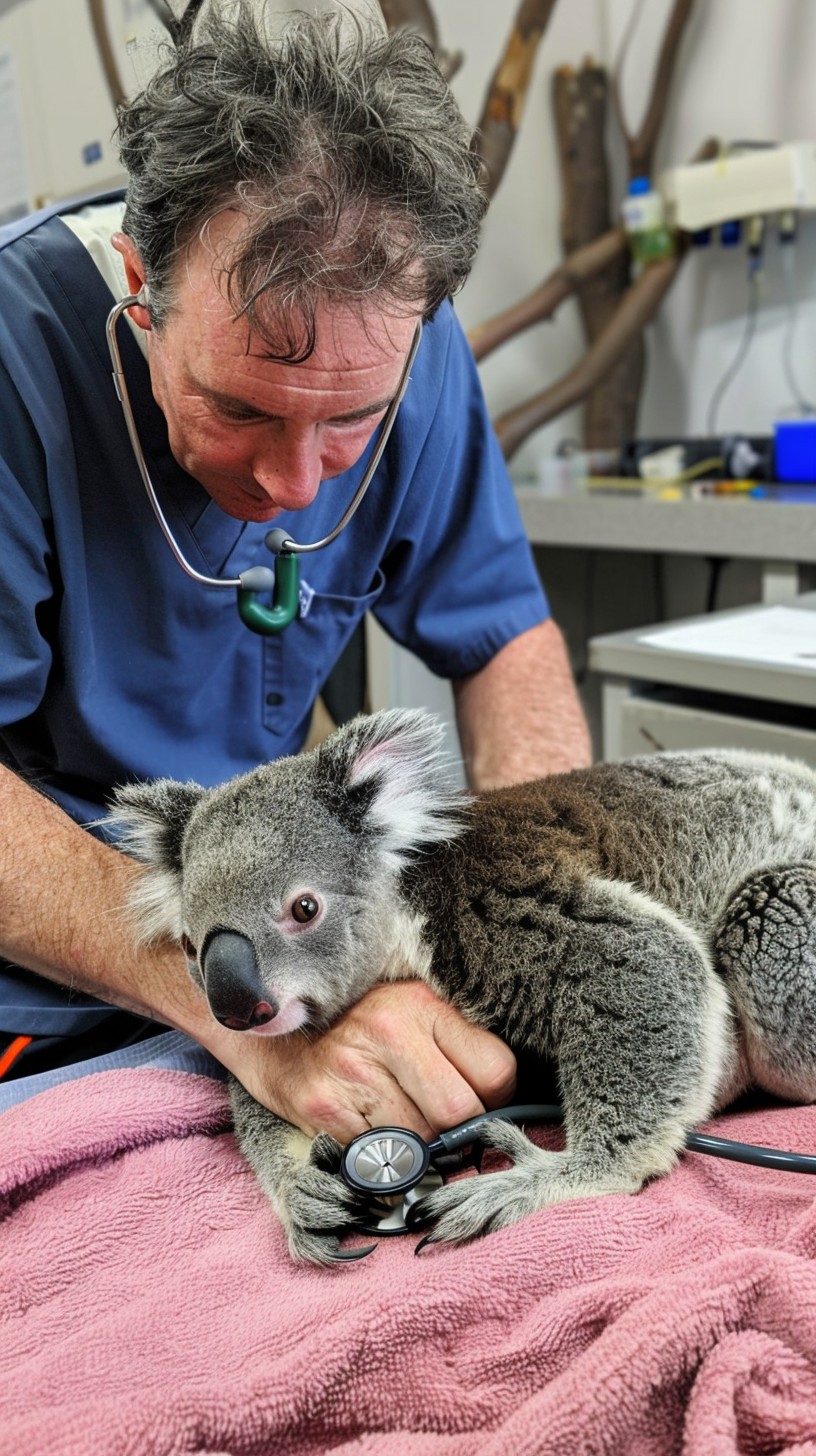
- Dental Care – Koalas’ teeth can wear down from constant chewing, so regular dental check-ups are important. Provide appropriate chew toys to help maintain dental health.
- Parasites – Keep an eye out for ticks, fleas, and other parasites. Regular grooming and veterinary treatments can help manage these issues. Check their fur and skin regularly for signs of infestation.
- Disease Prevention – Ensure your koala is up-to-date with vaccinations and other preventive care measures. Be vigilant for any signs of illness and seek prompt veterinary care if needed.
#6- Making Him Feel at Home
Gradually acclimate your koala to its new environment to help them feel at home –
- Familiar Scents – Use bedding or toys with familiar scents to create a sense of comfort and familiarity. This can help reduce anxiety and stress.
- Routine – Establish a consistent daily routine for feeding, cleaning, and interaction. Koalas thrive on predictability, and a routine will provide a sense of security.
- Enrichment – Provide environmental enrichment such as new branches, toys, and puzzles to keep your koala mentally stimulated. Rotate these items regularly to prevent boredom.
#7- Emergency Preparedness
Have a plan in place for emergencies to ensure your koala’s safety:
- Veterinary Contacts – Keep contact information for veterinarians who specialize in exotic animals. Ensure they are accessible in case of emergencies.
- First Aid Kit – Prepare a first aid kit with supplies specific to koalas, including antiseptics, bandages, and any medications your vet recommends.
- Evacuation Plan – In case of natural disasters or other emergencies, have a plan for safely evacuating your koala. Ensure that their transport carrier is ready and that you have a list of safe locations where you can take them.
If you have any specific questions or concerns about raising a koala, feel free to ask for more detailed information or guidance.