

Raising reptiles at home can be a rewarding and fascinating experience, but it requires careful planning, research, and dedication to ensure the health and well-being of your scaly companions. Reptiles are diverse, with species ranging from geckos and bearded dragons to snakes and turtles, each with unique needs. Before bringing a reptile home, it’s essential to thoroughly research the specific species you’re interested in, as their care requirements can vary significantly. Start by understanding their natural habitat, diet, temperature, humidity, and lighting needs. For example, desert-dwelling reptiles like bearded dragons require a warm, dry environment with basking spots, while tropical species like crested geckos need higher humidity levels and cooler temperatures.
The first step in reptile care is setting up an appropriate enclosure, often called a terrarium or vivarium. The size of the enclosure should match the reptile’s adult size, as cramped spaces can lead to stress and health issues. Ensure the habitat includes proper substrate (bedding), hiding spots, climbing branches, and water dishes, depending on the species. Temperature regulation is critical, as reptiles are ectothermic and rely on external heat sources to regulate their body temperature. Invest in high-quality heat lamps, ceramic heaters, or under-tank heating pads, and use thermostats to maintain consistent temperatures. Additionally, many reptiles require UVB lighting to synthesize vitamin D3, which is essential for calcium absorption and preventing metabolic bone disease. Replace UVB bulbs every 6-12 months, as their effectiveness diminishes over time.
Feeding your reptile a balanced diet is another crucial aspect of care. Different species have varying dietary needs—some are herbivores, others are carnivores, and many are omnivores. For example, leopard geckos thrive on a diet of live insects like crickets and mealworms, while iguanas primarily eat leafy greens and vegetables. Always provide fresh, clean water, and consider supplementing their diet with calcium and vitamin powders to prevent nutritional deficiencies. It’s also important to monitor portion sizes and feeding frequency, as overfeeding can lead to obesity, while underfeeding can cause malnutrition.
Maintaining proper hygiene is vital to prevent infections and diseases. Regularly clean the enclosure by removing waste, uneaten food, and soiled substrate. Deep clean the habitat monthly using reptile-safe disinfectants, and always wash your hands before and after handling your reptile to avoid spreading bacteria like salmonella. Handling your reptile gently and appropriately is also key to building trust and reducing stress. Some species, like ball pythons, are more tolerant of handling, while others, such as chameleons, are more sensitive and prefer minimal interaction.
Here ARE Popular Reptiles We Can Raise At Home
Bearded Dragons are one of the most popular pet reptiles due to their docile nature and relatively easy care. Native to Australia, these lizards thrive in a warm, dry environment with a basking spot of around 95-110°F and a cooler side of 75-85°F. They require UVB lighting to process calcium and prevent metabolic bone disease. Bearded dragons are omnivores, enjoying a diet of leafy greens, vegetables, and live insects like crickets and dubia roaches. To keep them active, provide a spacious enclosure with climbing branches, rocks, and hiding spots. Regular handling and supervised exploration outside their habitat can also stimulate their curiosity and keep them engaged.
#4 Leopard Geckos
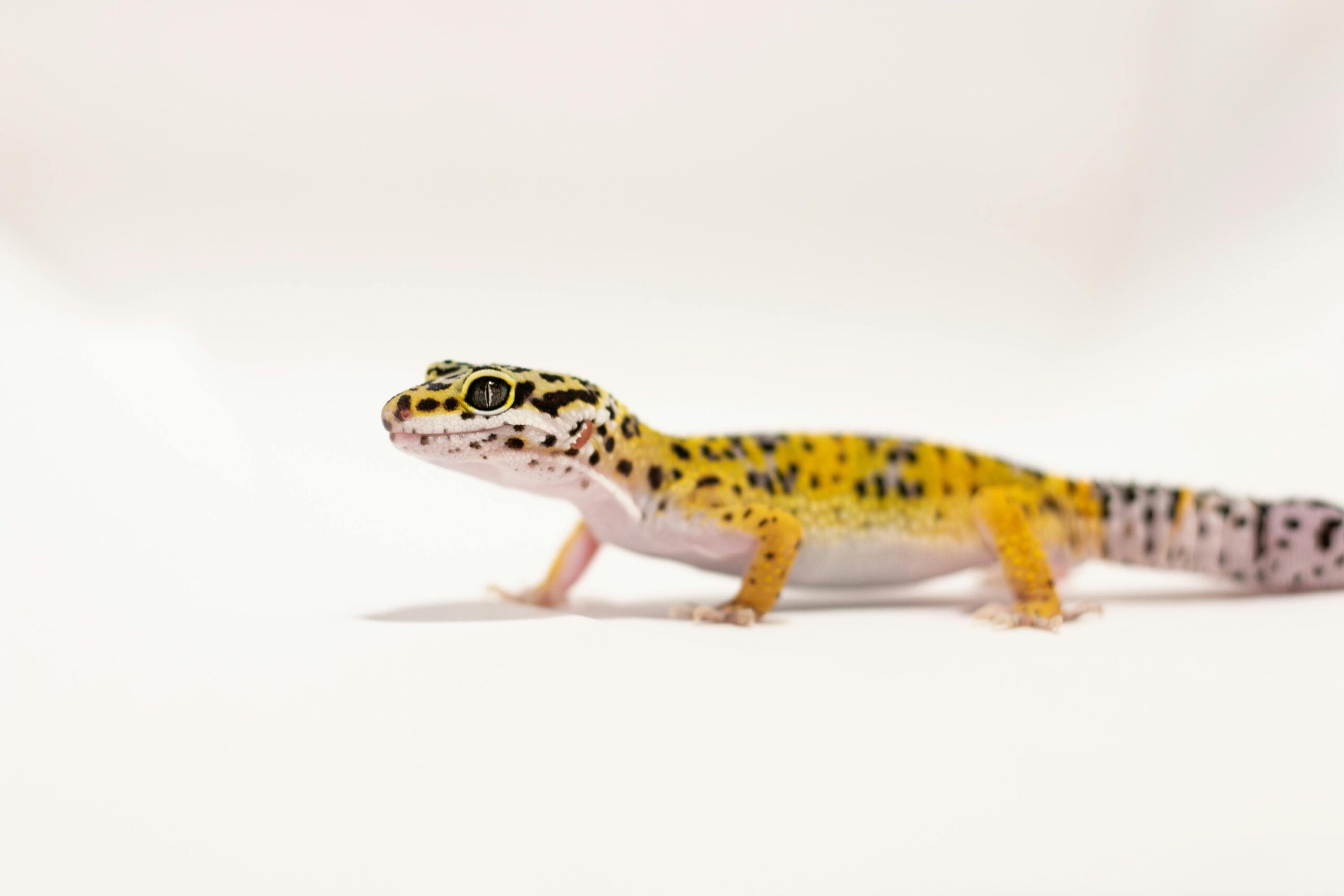
Leopard Geckos are another excellent choice, especially for beginners. These small, nocturnal lizards are native to arid regions of Asia and are known for their striking patterns and gentle demeanor. They require a warm environment with a temperature gradient of 88-92°F on the warm side and 75-80°F on the cool side. Unlike bearded dragons, leopard geckos do not need UVB lighting if they are provided with a diet rich in calcium and vitamin D3. They primarily eat live insects like crickets, mealworms, and waxworms. To keep them active, offer a variety of hiding spots, climbing structures, and even small toys or obstacles to explore. Handling them gently and regularly can also help build trust and encourage movement.
#3 Ball Pythons
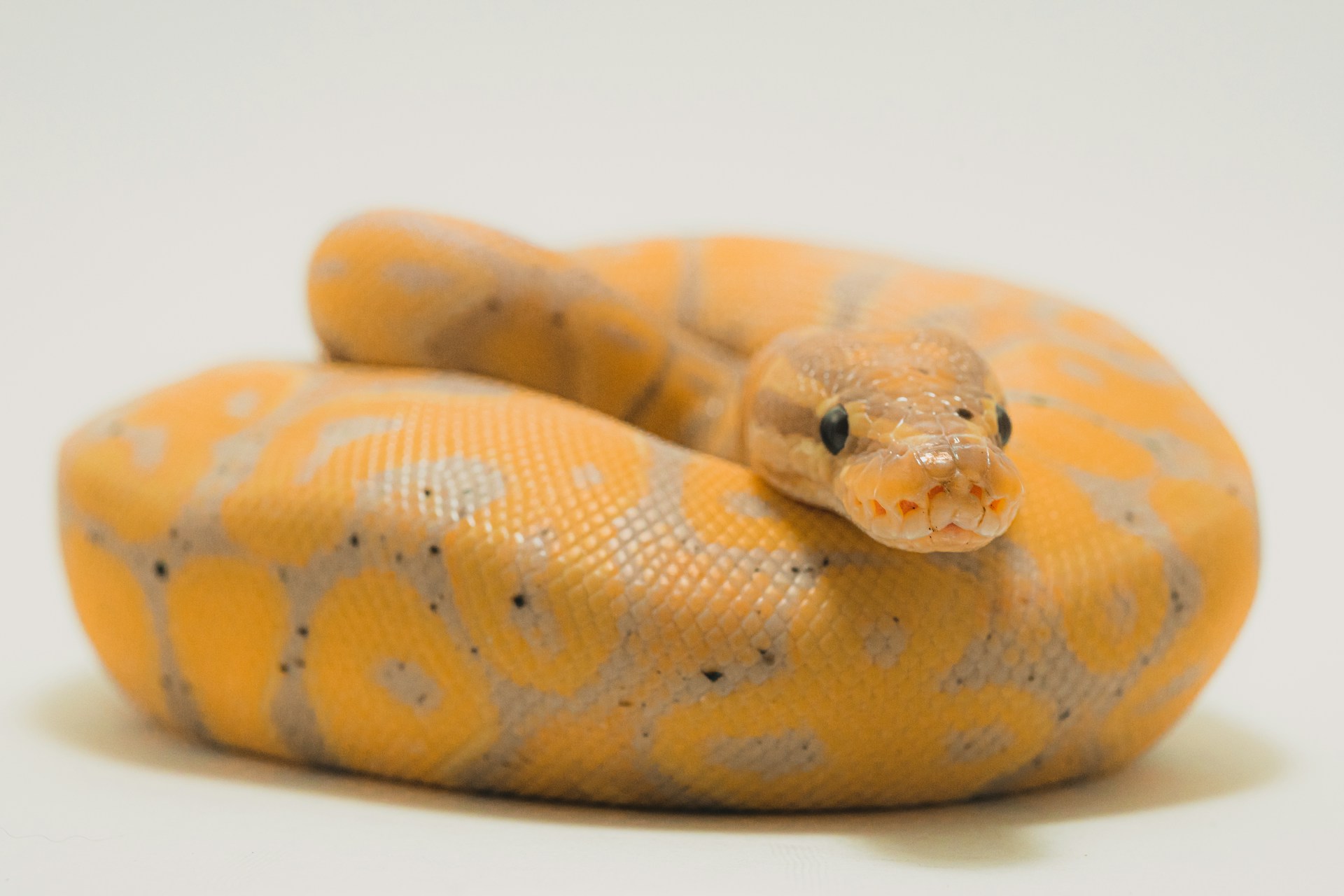
Ball Pythons are a favorite among snake enthusiasts due to their calm temperament and manageable size. Native to Africa, these snakes require a warm, humid environment with a temperature gradient of 88-96°F on the warm side and 75-80°F on the cool side. They need a hiding spot on both ends of the enclosure to feel secure. Ball pythons are carnivorous, feeding primarily on frozen-thawed rodents. To keep them active, provide a spacious enclosure with branches, rocks, and other enrichment items. While they are not as active as lizards, offering occasional climbing opportunities and handling sessions can stimulate their curiosity and encourage movement.
#2 Corn Snakes
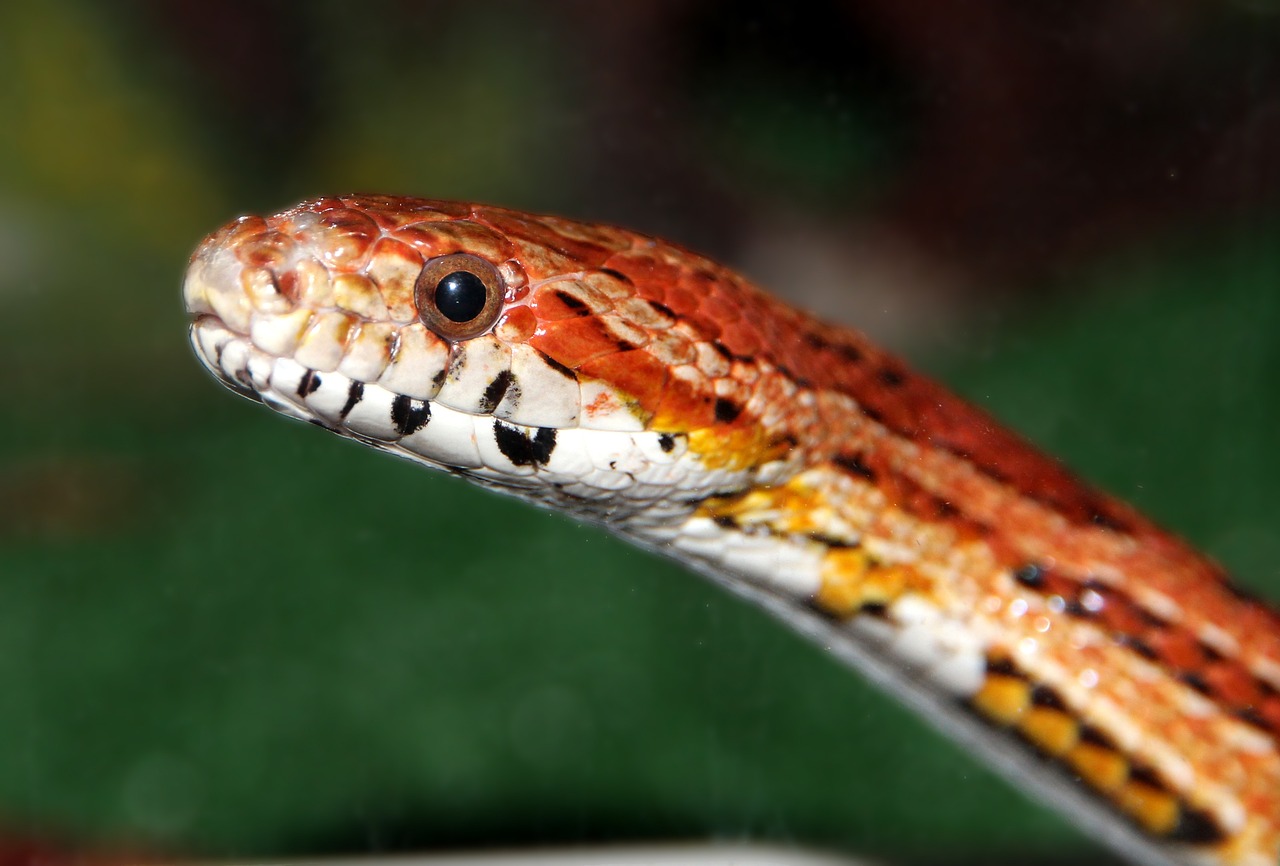
Corn Snakes are another popular choice for beginners due to their hardy nature and vibrant colors. Native to North America, these snakes thrive in a warm environment with a temperature gradient of 85-90°F on the warm side and 70-75°F on the cool side. They require a hiding spot and a water dish large enough for soaking. Corn snakes are carnivorous, feeding on frozen-thawed rodents. To keep them active, provide a variety of climbing branches, hiding spots, and even tunnels or tubes to explore. Handling them regularly can also help keep them stimulated and accustomed to human interaction.
#1 Red-Eared Sliders
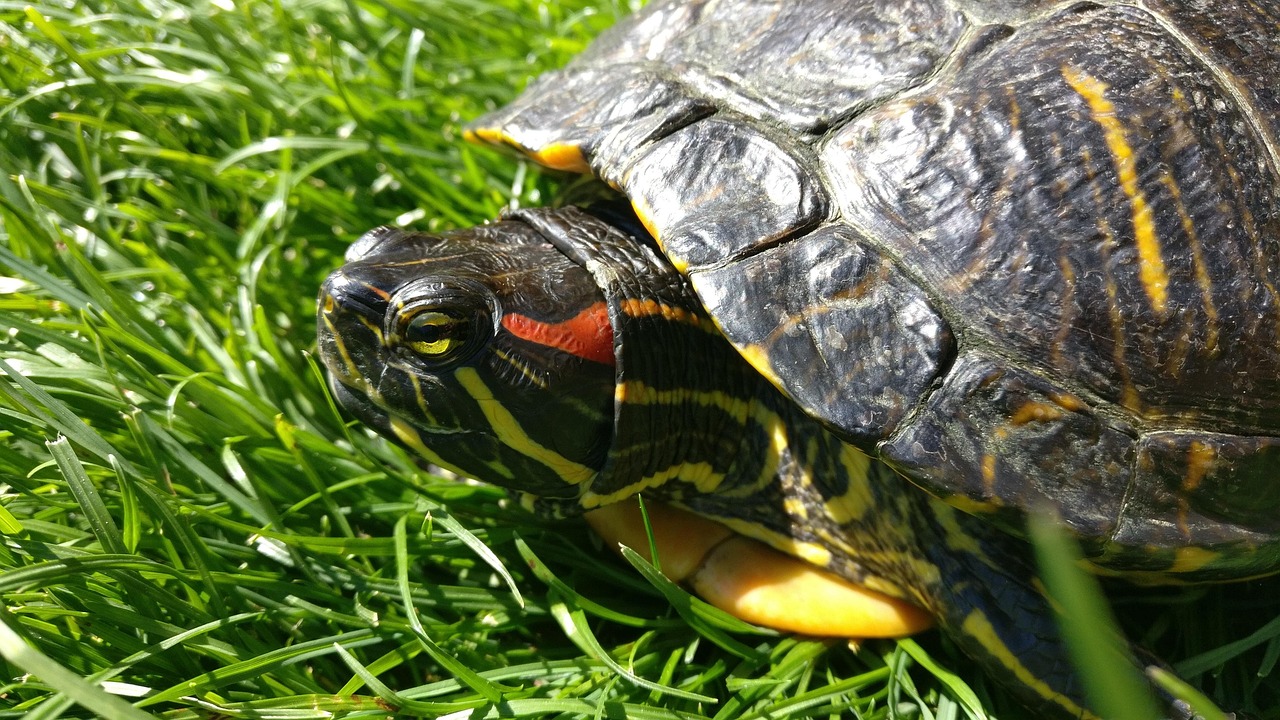
Red-Eared Sliders are a common choice for those interested in aquatic turtles. These semi-aquatic turtles require a large tank with both water and dry basking areas. The water temperature should be maintained at 75-85°F, while the basking area should be around 90-95°F. They need UVB lighting to process calcium and prevent shell deformities. Red-eared sliders are omnivores, enjoying a diet of leafy greens, vegetables, and protein sources like insects and commercial turtle pellets. To keep them active, provide a spacious tank with plenty of swimming space, basking platforms, and enrichment items like floating toys or live plants. Regular interaction and supervised exploration outside the tank can also stimulate their curiosity.
Keeping reptiles active and engaged is essential for their physical and mental well-being. Providing a stimulating environment with plenty of hiding spots, climbing structures, and enrichment items can encourage natural behaviors like exploring, climbing, and foraging. Regular handling and supervised exploration outside their enclosure can also help keep them active and build a bond with their owner. Additionally, varying their diet and offering occasional treats can stimulate their appetite and keep them interested in their food. By understanding the specific needs of your reptile and providing a well-rounded environment, you can ensure they remain healthy, active, and happy in your care.